Waikato Biodiversity Strategy

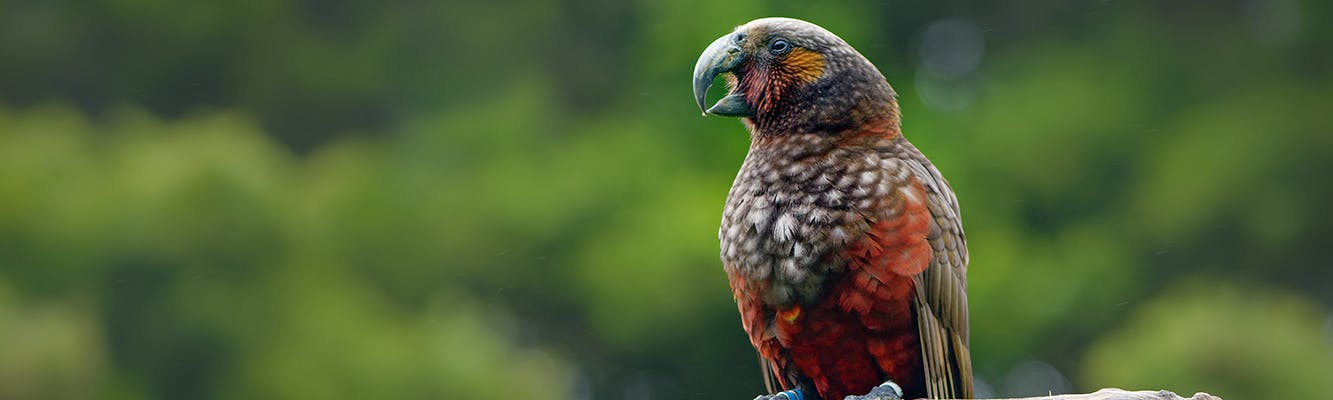
The Waikato rohe (region) is home to an extraordinary richness of native plants, animals and ecosystems, from wetlands and geothermal areas to forests, rivers, lakes and coastal habitats. But this natural richness is under increasing threat. Pressures from land use change, invasive pests and diseases, pollution, habitat loss and the impacts of climate change are driving biodiversity loss.

Why is biodiversity important?

Biodiversity is vital to our wellbeing. It purifies water, recycles nutrients, provides food and shields us from flooding. It also strengthens our resilience to climate change, supports our economy and sustains our cultural identity. Therefore, protecting and restoring biodiversity is not just conservation – it’s an investment in the health, prosperity and future of our region.

Why do we need a strategy?

On-ground efforts by landowners, iwi and hapū and local communities are making a valuable contribution to improving our region’s biodiversity; however, we do not yet have a shared, regional strategy to bring these efforts together.

A regional strategy is an opportunity to unite people and efforts under a shared vision with clear goals and direction, so we can achieve meaningful biodiversity outcomes together at a landscape scale.

By working together – landowners, iwi and hapū, councils, government agencies, community groups and organisations – we can harness diverse perspectives, knowledge and resources to create a living strategy that evolves over time and supports a thriving and resilient natural environment for generations to come.

Answer nature's call to action!

We're keen to hear from landowners, iwi and hapū, community groups and organisations to help strengthen a biodiversity strategy for the Waikato region. The feedback you share will inform key elements of the strategy and help us decide where to focus our efforts.

To help with this, we’ve created a short survey with quick questions and space for your ideas. You can take part by clicking on the ‘Have your say’ tab below.

We’ve also built an interactive map where you can show us the biodiversity restoration work happening in your area and highlight places where action can make a difference. Simply click the ‘Interactive Map’ tab below to get started.

You have from 29 May to 15 July 2026 to share your views.

Read the Draft Waikato Regional Biodiversity Strategy here.
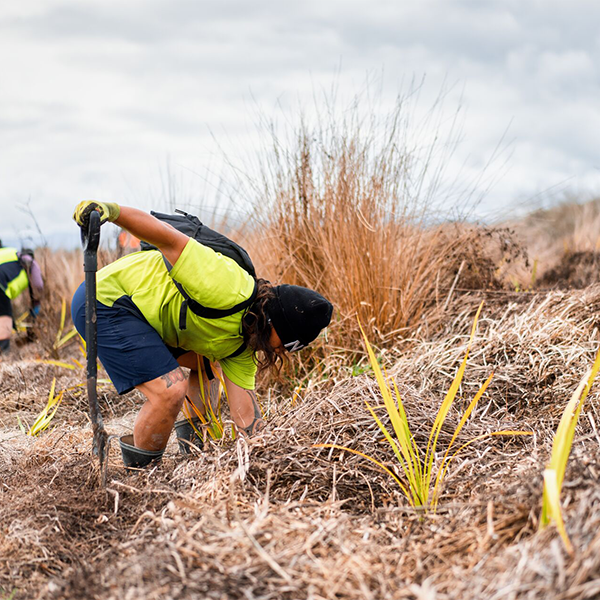
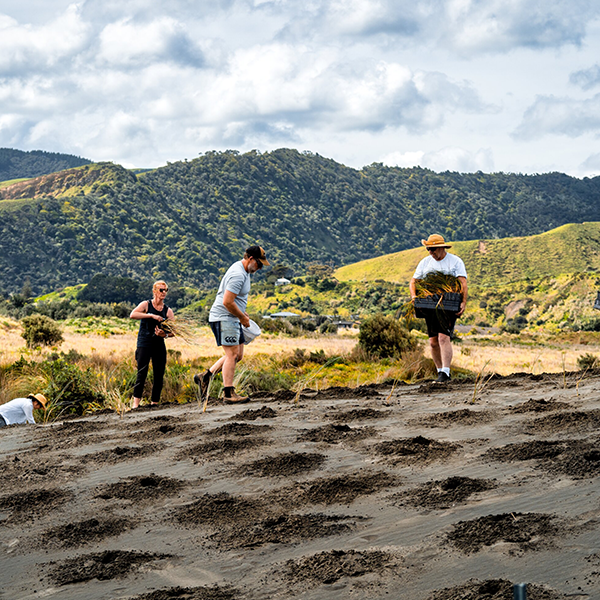
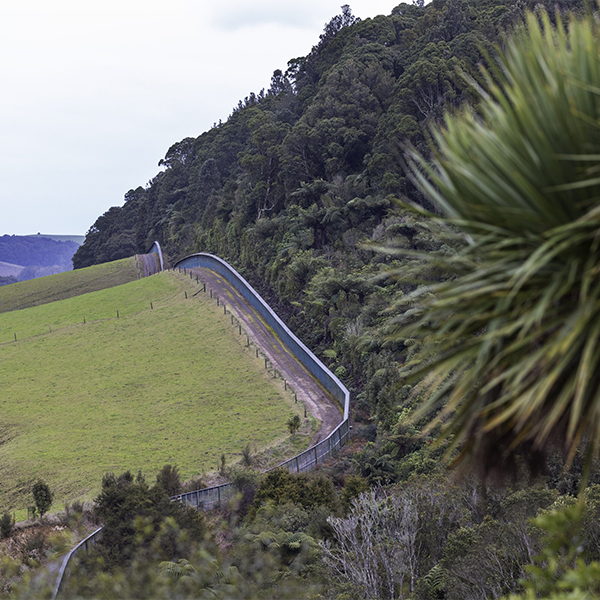
Image of someone planting on the sandbankImage of someone with a fishing netImage of a fence with planting on the inner sideImage of people planting on sand dunes

The Waikato rohe (region) is home to an extraordinary richness of native plants, animals and ecosystems, from wetlands and geothermal areas to forests, rivers, lakes and coastal habitats. But this natural richness is under increasing threat. Pressures from land use change, invasive pests and diseases, pollution, habitat loss and the impacts of climate change are driving biodiversity loss.

Why is biodiversity important?

Biodiversity is vital to our wellbeing. It purifies water, recycles nutrients, provides food and shields us from flooding. It also strengthens our resilience to climate change, supports our economy and sustains our cultural identity. Therefore, protecting and restoring biodiversity is not just conservation – it’s an investment in the health, prosperity and future of our region.

Why do we need a strategy?

On-ground efforts by landowners, iwi and hapū and local communities are making a valuable contribution to improving our region’s biodiversity; however, we do not yet have a shared, regional strategy to bring these efforts together.

A regional strategy is an opportunity to unite people and efforts under a shared vision with clear goals and direction, so we can achieve meaningful biodiversity outcomes together at a landscape scale.

By working together – landowners, iwi and hapū, councils, government agencies, community groups and organisations – we can harness diverse perspectives, knowledge and resources to create a living strategy that evolves over time and supports a thriving and resilient natural environment for generations to come.

Answer nature's call to action!

We're keen to hear from landowners, iwi and hapū, community groups and organisations to help strengthen a biodiversity strategy for the Waikato region. The feedback you share will inform key elements of the strategy and help us decide where to focus our efforts.

To help with this, we’ve created a short survey with quick questions and space for your ideas. You can take part by clicking on the ‘Have your say’ tab below.

We’ve also built an interactive map where you can show us the biodiversity restoration work happening in your area and highlight places where action can make a difference. Simply click the ‘Interactive Map’ tab below to get started.

You have from 29 May to 15 July 2026 to share your views.

Read the Draft Waikato Regional Biodiversity Strategy here.
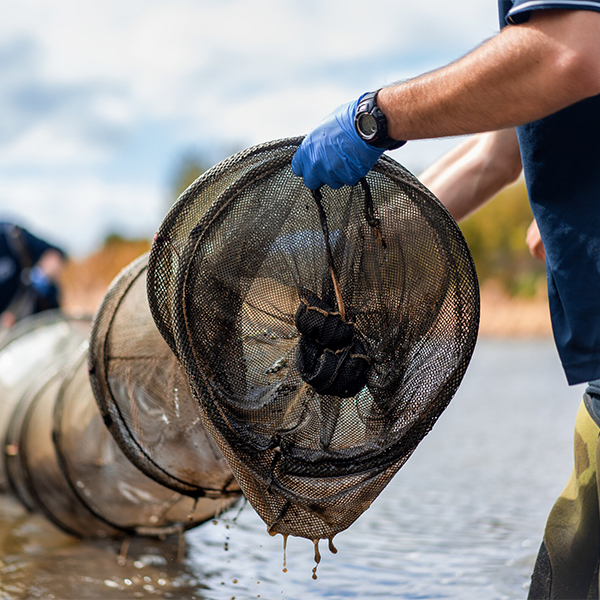
Image of someone planting on the sandbankImage of someone with a fishing netImage of a fence with planting on the inner sideImage of people planting on sand dunes
  • The Waikato Regional Biodiversity Strategy – Te Mauri o te Taiao, sets a clear, shared direction for the next 25 years to stop further biodiversity loss, reverse decline, and invest where the return for communities and nature is highest. This includes integrating biodiversity restoration with catchment management, recognising nature as essential infrastructure that protects communities and supports long‑term economic wellbeing. It aims to turn many good projects into one coordinated programme of action across land, freshwater, coastal and marine environments.

    The purpose of this survey is to gather further feedback on the draft strategy. We would appreciate feedback on the outcomes, pou (pillars/themes), and strategic focus areas.

    Since there are several components to the strategy, this survey is designed so that participants can pick and choose which areas they would like to provide feedback on.

    Please note that all feedback is anonymous and participants cannot and will not be identified.

    Read the Draft Waikato Regional Biodiversity Strategy here.
    This survey closes 15 July 2026.

    Provide feedback
Page last updated: 01 Jun 2026, 11:59 AM